





















































Canada’s New June 2026 Rules Are Here: Big Changes for Students, Workers & PR Holders
Canada immigration update June 2026: New visa, work permit, tax, wage, and student-related rules affecting workers, families, and newcomers.
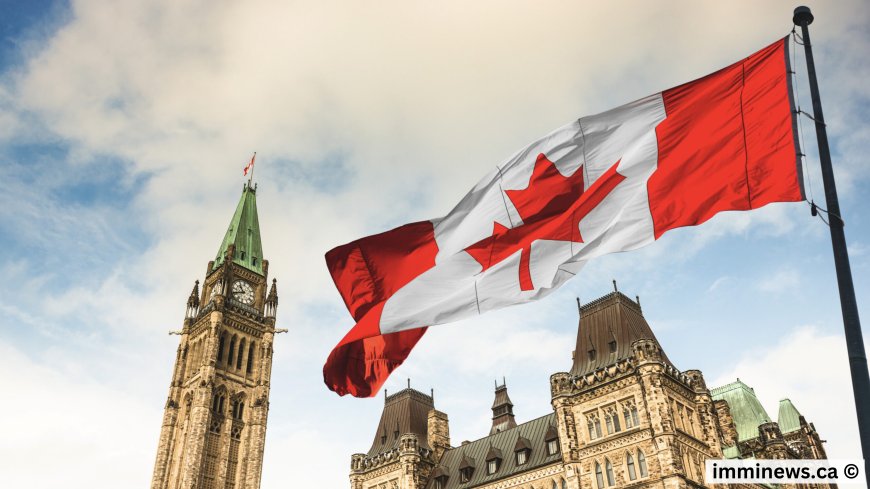
Canada has launched a broad package of regulatory and policy updates beginning in June 2026, introducing new rules that affect taxes, wages, public health, transportation, and compliance obligations. While these measures are not direct immigration reforms from IRCC, they carry important implications for temporary residents, international students, permanent residents, and foreign workers living in Canada.
For many newcomers navigating life in Canada, understanding these developments is essential. From tax filing obligations and benefit payments to wage increases and new compliance rules, June marks a significant transition period that could influence financial planning and settlement decisions.
What Canada Has Announced in June 2026
Several federal and provincial measures are now taking effect throughout June 2026. These include financial relief for eligible residents, revised tax filing deadlines, new health restrictions for minors, labour-related wage adjustments, and tighter enforcement in public safety and environmental sectors.
Among the most notable developments are:


- A one-time federal benefit payment for eligible residents
- Updated tax deadlines for self-employed individuals and certain corporations
- Prescription-only access to melatonin for minors
- A higher minimum wage in British Columbia
- New restrictions on controlled substances and chemicals
- Expanded transportation and marine safety regulations
- The return of the seasonal Canada Strong Pass program
Although these changes impact Canadians broadly, newcomers—including international students, work permit holders, and recent Canada PR recipients—may feel the effects more directly due to financial and compliance considerations.
Key Changes Explained
Financial Support and CRA Benefit Payment
Beginning June 5, eligible residents will receive a one-time federal payment worth up to $533 per family. The payment is automatically issued to individuals who qualify under the GST/HST credit system and is intended to ease cost-of-living pressures before a new federal support framework launches later this year.
For many immigrant households, especially newcomers balancing rent, tuition, and living expenses, this temporary support could provide short-term financial relief.
Important Tax Deadlines for Residents and Business Owners
June also brings critical deadlines from the Canada Revenue Agency (CRA).
Self-employed individuals must submit their tax returns by June 15. However, there is an important catch: interest on unpaid balances continues to accumulate after April 30, meaning late payments can still create financial pressure.
June 30 is another important deadline for:
- Global minimum tax filings for large corporations
- Tax reporting for non-resident rental income
- Agriculture-related benefit submissions
This is particularly relevant for new immigrants, Indian-origin entrepreneurs, and temporary residents who own investment property in Canada or operate small businesses.
British Columbia Minimum Wage Increase
Workers in federally regulated industries in British Columbia will see wages increase to $18.25 per hour effective June 1, 2026.


The revised pay rate applies to industries such as:
- Banking
- Telecommunications
- Transportation
Employers must follow whichever minimum wage is higher between provincial and federal standards.
For foreign workers and work permit holders in BC, this increase may improve affordability amid rising living costs, especially in expensive urban regions.
New Health Rule for Children
Starting June 2, melatonin products for individuals under 18 years of age will no longer be available over the counter and will instead require a medical prescription.
Canadian health authorities say the policy aims to strengthen medical supervision and reduce safety concerns linked to unsupervised usage among children.
Families with dependent children—including newcomers adjusting to Canada’s healthcare system—should understand these new requirements to avoid disruptions in access.
Stronger Drug Enforcement Measures
Canada is also introducing temporary controls on certain synthetic opioids and chemical precursors beginning June 5.
Authorities say the objective is to combat illegal drug supply networks and improve public safety. Violations tied to restricted substances could result in serious legal consequences, including criminal penalties.
Temporary residents and international students should pay particular attention to compliance, as legal violations may significantly affect immigration status, admissibility, or future Canada PR eligibility.
Environmental and Transport Compliance Rules
By the end of June, stricter environmental rules will also apply across sectors involving manufacturing, imports, marine transport, and hazardous materials.
The measures include:
- Tighter restrictions on harmful substances
- Increased safety inspections
- Stronger marine wildlife protection requirements
Businesses operating in regulated industries should prepare for additional compliance responsibilities.
Canada Strong Pass Returns
From June 19 to September 7, Canada will relaunch the Canada Strong Pass, providing residents with access to travel-related discounts and recreational benefits.
Eligible participants may receive:
- Free access to national parks
- Discounts on selected camping services
- Reduced travel costs
No separate registration process is required, as benefits apply automatically.
Why These Changes Are Happening
The June 2026 reforms reflect Canada’s broader effort to balance affordability support with stronger regulatory oversight.
The federal government continues to face pressure related to inflation, housing affordability, public safety concerns, healthcare oversight, and economic productivity. Rather than introducing a single large reform package, authorities are implementing targeted measures to address multiple challenges simultaneously.
This approach aligns with Canada’s wider policy direction seen across Canada immigration planning and temporary resident management—more control, stronger compliance, and targeted support rather than broad expansion.
Impact Analysis: What This Means for Immigrants
International Students
Students in Canada may benefit from short-term financial relief through eligible benefit programs if qualified, but they should also prepare for rising compliance expectations.
Those supporting younger dependents should note healthcare rule changes, while student workers in British Columbia may benefit from higher wages.
Work Permit Holders
Foreign workers—particularly in federally regulated sectors—stand to gain from BC’s wage increase. However, stricter enforcement around controlled substances and legal compliance makes maintaining a clean legal record increasingly important.
For those planning permanent residence through Express Entry or provincial programs, compliance issues can become long-term immigration barriers.
Permanent Residents and Newcomers
Recent Canada PR holders and immigrant families may see some immediate financial relief through CRA-related benefits, but they must remain attentive to tax deadlines and reporting obligations.
Failure to comply with financial requirements can create unnecessary complications when applying for future sponsorships, citizenship, or financial assessments.
Winners and Losers
Who Benefits
- Low- and middle-income families receiving one-time payments
- Workers in British Columbia gaining higher minimum wages
- Families accessing seasonal travel benefits through the Canada Strong Pass
- Businesses and residents benefiting from stronger public safety initiatives
Who Faces Challenges
- Self-employed taxpayers missing June filing obligations
- Families relying on over-the-counter melatonin access for children
- Businesses facing tighter environmental compliance requirements
- Temporary residents unaware of changing legal restrictions
Expert Insight: Why Newcomers Should Pay Attention
While these updates may appear unrelated to immigration at first glance, they reveal an important policy trend in Canada: tighter accountability.
Canada is increasingly emphasizing compliance—whether financial, legal, healthcare-related, or workplace-based. For immigrants, success is no longer determined only by visa approval or permanent residence eligibility. Long-term stability increasingly depends on following tax rules, maintaining lawful conduct, and adapting quickly to policy changes.
This is especially important as IRCC continues prioritizing economic integration, labour-market alignment, and system integrity across immigration streams.
Applicants planning Canada PR should view these developments as part of a broader shift toward stricter governance and higher expectations for newcomers.
Strategic Advice for Applicants and Newcomers
- Stay ahead of tax deadlines to avoid interest charges or compliance issues with CRA.
- Review employment contracts carefully, especially if working in federally regulated sectors affected by wage changes.
- Maintain a clean legal and compliance history, as violations can affect immigration pathways and future admissibility.
- Monitor benefit eligibility programs to maximize financial support opportunities available to residents.
- Prepare for increased policy shifts by following IRCC and Canada immigration updates regularly.
- Plan long-term settlement strategically, especially if transitioning from temporary residence to permanent residence.
Canada’s June 2026 rule changes may not be traditional immigration reforms, but they signal a broader shift in how the country is managing affordability, public safety, and compliance.
For international students, workers, and permanent residents, the message is clear: staying informed is becoming just as important as immigration planning itself. Those who adapt early and understand how policy changes affect daily life in Canada will be better positioned to avoid risks and build a stronger future.
What's Your Reaction?
 Like
0
Like
0
 Dislike
0
Dislike
0
 Love
0
Love
0
 Funny
0
Funny
0
 Angry
0
Angry
0
 Sad
0
Sad
0
 Wow
0
Wow
0