






















































Don’t Let Your LMIA Expire—Here’s How to Maximize Your Work Permit Time
Learn how long you can work in Canada on an LMIA-based work permit through the TFWP, plus eligibility, extensions, processing times, and application steps.
How Long Can I Work on an LMIA-Based Work Permit Through the TFWP?
If you're planning to work in Canada, you've likely heard of the LMIA and the Temporary Foreign Worker Program (TFWP). But how long can you actually stay and work under a TFWP LMIA-based work permit? The answer isn’t as simple as the LMIA’s validity date—it involves multiple factors, including IRCC's final decision and recommendations from Employment and Social Development Canada (ESDC).
What Is an LMIA and Why Does It Matter?
An LMIA (Labour Market Impact Assessment) is a document issued by ESDC that allows Canadian employers to hire foreign workers. This process ensures that no Canadian citizen or permanent resident is available to do the job. To learn more, visit the CanadaVisa LMIA guide.
Introduction to LMIA-Based Work Permits
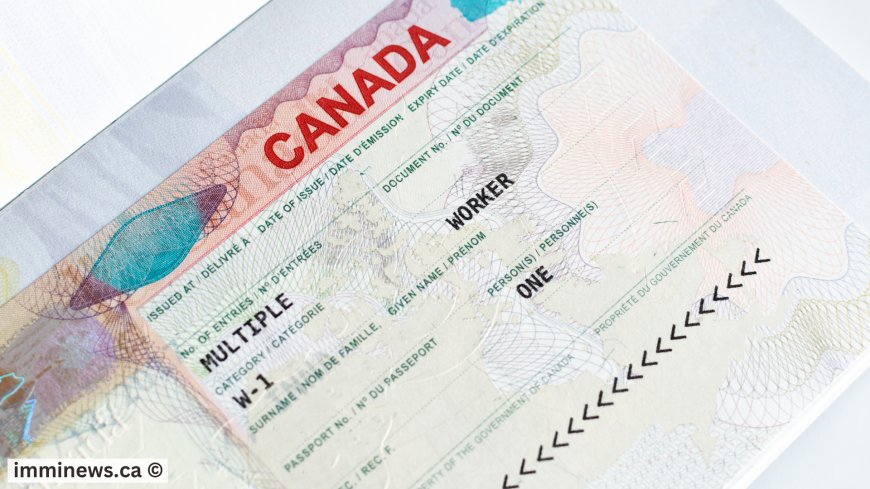
A TFWP work permit, supported by an LMIA, is an employer-specific authorization that ties you to a single job and employer. But the duration of your stay isn't dictated solely by the LMIA’s validity—it's mainly determined by the "work duration" period recommended by ESDC.
For example, if an automobile company hires a foreign mechanical engineer and receives an LMIA with a one-year work duration, IRCC may issue a work permit that extends slightly longer to account for travel time. However, the worker must apply within the LMIA's six-month validity period.
For a real-world update on Canadian immigration, check out our article on Canada's PGP 2025.


Significance of LMIA-Based Work Permit Duration
Understanding the length and terms of your LMIA-based permit is essential not only for legal compliance but also for planning your professional journey in Canada.
Ensures Legal Work Authorization
An LMIA-backed permit means you're authorized to work in Canada under specific conditions. Overstaying or working beyond your permit's scope can lead to legal complications.
Determines Your Path to Permanent Residency
The length of your work permit can impact your eligibility for programs like Canadian Experience Class under Express Entry. Longer durations offer more time to accumulate the required work experience.
Helps Employers Meet Labour Market Needs
A defined work period allows Canadian employers to fill essential roles while complying with labour laws. For example, agricultural sectors often rely on seasonal LMIA-based workers.
Requires Timely Renewals and Compliance
To continue working legally, both the employer and worker must plan ahead for renewals. As ESDC recommends applying for extensions at least 30 days before the permit expires, timely action is crucial.
For a better understanding of TFWP procedures, check the CanadaVisa TFWP overview.
Supported by Maintained Status
If you apply for a new LMIA and submit your extension request before the current permit expires, IRCC grants "maintained status"—you can continue working under the same conditions while waiting for a decision.
Step-by-Step Breakdown
Step 1: Employer Applies for LMIA
The employer must advertise the job and submit an application to ESDC. This includes wage details, working conditions, recruitment efforts, and a $1,000 processing fee.
Step 2: LMIA Issuance and Validity
If approved, ESDC issues a positive LMIA, usually valid for six months. It includes a recommended work duration that guides IRCC in issuing the work permit.
Step 3: Worker Applies for Work Permit
Using the LMIA, the foreign worker applies to IRCC. Required documents include the job offer, employment contract, qualifications, fees, and biometrics.
Step 4: Work Permit Issuance
IRCC considers the LMIA’s recommended duration and issues a closed work permit tied to the employer and position. The worker must remain in that role unless they apply for a new permit.
Step 5: Renewals and Extensions
If both parties wish to continue the employment, a new LMIA must be secured and a work permit extension submitted before the current one expires.


LMIA Processing Times (as of June 2025)
-
Global Talent Stream: 9 days
-
Agricultural stream: 14 days
-
Seasonal Agricultural Worker Program: 8 days
-
High-wage stream: 41 days
-
Low-wage stream: 45 days
-
Permanent resident stream: 240 days
Plan Your Canadian Work Journey Smartly
Understanding the duration of an LMIA-based TFWP work permit is vital for foreign workers and employers alike. The key takeaway? The LMIA validity dictates when you can apply—not how long you can work. The actual work period depends on ESDC’s recommendation and IRCC’s final decision.
If you're considering applying or extending your LMIA-based work permit, don’t navigate it alone. Visit A2Zimmi or schedule a consultation here to get expert advice today!
What's Your Reaction?
 Like
0
Like
0
 Dislike
0
Dislike
0
 Love
0
Love
0
 Funny
0
Funny
0
 Angry
0
Angry
0
 Sad
0
Sad
0
 Wow
0
Wow
0