























































India OCI Rules 2026 Shock Explained: 6 Big Changes Every Indian in Canada Must Know Before Traveling
India introduces OCI Rules 2026 with digital applications, e-OCI system, biometric updates, and stricter compliance. Key impact for Indians in Canada.
India has entered a new phase of immigration digitization with the implementation of the Citizenship (Amendment) Rules, 2026. This reform represents one of the most comprehensive updates to the Overseas Citizenship of India (OCI) framework since its introduction in 2005.
Rather than minor administrative adjustments, this is a full-scale structural transformation. The OCI system has now moved from a document-heavy, consulate-driven model to a centralized digital identity ecosystem integrated with biometric verification and real-time immigration databases.
For the Indian diaspora in Canada—one of the largest OCI user groups globally—this change carries significant practical implications. It affects how applications are submitted, how travel eligibility is verified, and how compliance is monitored throughout the lifecycle of OCI status.
The new system prioritizes three core objectives: digitization, security integration, and continuous compliance monitoring.
What Has Fundamentally Changed in 2026


The OCI framework is no longer just an administrative registration process. It is now a continuously verified digital identity linked directly to passport records, immigration databases, and biometric systems.
The shift introduces six major structural reforms:
- Complete elimination of paper-based OCI applications
- Introduction of electronic OCI identity (e-OCI)
- Standardized global fee system
- Strict compliance rules for minors and dual passports
- Expanded cancellation authority linked to criminal and administrative violations
- Biometric integration with India’s immigration and trusted traveller systems
These changes collectively redefine OCI from a static lifelong visa privilege into a dynamic, data-driven immigration status.
Digital-Only OCI Application System
One of the most impactful changes is the full transition to online-only applications.
All OCI-related processes must now be completed through the official government portal. This includes:
- New OCI registrations
- Reissuance requests
- Renunciation applications
- Updates to personal or passport details
Paper applications submitted through consulates or outsourced service centers are no longer accepted.
Applicants are required to upload all documents digitally, including photographs, signatures, and identity proofs. Physical verification still exists but is limited to document confirmation at designated Indian missions.
Impact on Applicants in Canada
For applicants in Canada, this means:
- Reduced dependency on third-party agents
- Faster initial submission process
- Increased responsibility for document accuracy
- Greater emphasis on digital literacy during application
While the system is designed to improve efficiency, it also reduces tolerance for errors. Incorrect uploads or mismatched documents can result in rejection or delays without prior warning.
Introduction of e-OCI: A Shift Toward Digital Identity


Perhaps the most transformative change is the introduction of electronic OCI identity records.
Under the new framework, OCI holders may receive:
- A physical OCI card, or
- A fully digital e-OCI credential stored in a government database
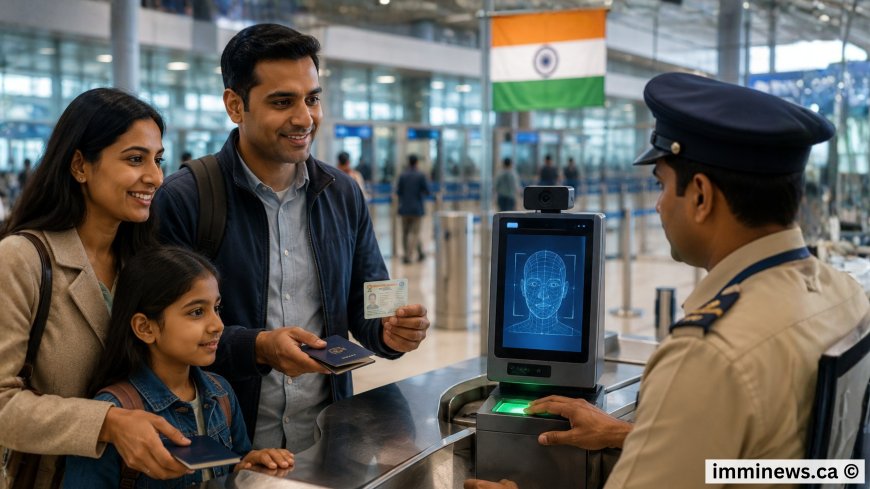
The e-OCI system connects directly with immigration systems at Indian ports of entry. This allows border authorities to verify identity in real time using passport-linked digital records.
Long-Term Implications
India is gradually moving toward a fully integrated immigration ecosystem. The e-OCI system is expected to eventually connect with biometric e-gates at major airports, enabling:
- Automated identity verification
- Reduced manual immigration checks
- Faster entry and exit processing
- Reduced documentation requirements at borders
For frequent travellers from Canada, this could significantly reduce processing time at Indian airports once fully implemented.
New Global Fee Structure: Standardization Across Countries
The 2026 reforms also introduce a unified global fee system to remove inconsistencies between countries.
Key fee structures include:
- OCI application (outside India): USD 275
- OCI application (within India): INR 15,000
- Reissuance or updates: USD 25
- Replacement of lost/damaged OCI card: USD 100
This standardization ensures uniformity but also eliminates previous cost advantages in certain jurisdictions.
Practical Impact
For Canadian applicants, the biggest change is predictability. Fees are now fixed globally, reducing confusion caused by varying consulate-level charges or service provider differences.
However, the system also introduces stricter payment requirements and reduced flexibility for fee waivers or exceptions.
Strict Rules for Minors and Dual Passport Restrictions
One of the most sensitive changes affects minors holding OCI status or Indian passports.
Under the revised rules, no minor can simultaneously hold:
- An Indian passport, and
- A foreign passport
Parents must now formally declare that a child will not retain dual passport status.
Why This Matters in Canada
This change has direct implications for Indian-origin families in Canada, where dual-document holding was often used for flexibility in travel and long-term residency planning.
Families must now make early decisions regarding:
- Citizenship pathways
- Long-term nationality status for children
- Travel documentation strategy
This introduces a higher level of administrative planning for families managing cross-border identities.
Expanded Cancellation Powers and Compliance Enforcement
The OCI system now includes stricter enforcement mechanisms that significantly increase compliance obligations.
Registration can now be cancelled under the following conditions:
- Imprisonment of two years or more
- Charge-sheet for offences punishable by seven years or more imprisonment
- Failure to update passport or personal information within required timelines
A major shift is the digital execution of cancellation. This means OCI status can be revoked directly through the system without physical documentation or delays.
Key Risk Factor
Previously, OCI status was relatively stable unless serious legal issues occurred. Under the 2026 framework, administrative non-compliance alone can now trigger cancellation.
This makes timely updates and accurate record maintenance essential.
Biometric Integration and Immigration Security Upgrade
The new OCI system integrates biometric consent into the application process.
This biometric data is linked to:
- India’s immigration databases
- Trusted traveller programs
- Fast-track airport entry systems
The goal is to create a unified identity verification ecosystem that reduces identity fraud and enhances border security.
Long-Term Vision
India is aligning its immigration infrastructure with global standards seen in advanced border systems. Over time, this may allow OCI holders to:
- Use automated immigration gates
- Experience reduced manual screening
- Benefit from faster airport processing
This represents a significant modernization of India’s entry-exit system.
OCI Reissuance Rules After Passport Renewal
One of the most important operational aspects of OCI compliance is passport updates.
The 2026 rules maintain age-based reissuance requirements but introduce strict digital timelines.
Under Age 20
- Upload new passport and photo within 3 months
- Physical reissuance required once after turning 20
- Failure to update may still allow travel if both old and new passports are carried
Ages 21 to 50
- No mandatory reissuance for every passport renewal
- Online updates still required within 3 months
- Late updates incur penalties
- Old passport may need to be carried if records are outdated
After Age 50
- One-time mandatory reissuance after first passport renewal post-50
- No further updates required unless personal details change
Foreign Spouses
- Must update OCI record with every passport renewal
- Must confirm continued marital status
- Must upload supporting documents online
Travel Rules for OCI Holders in 2026
OCI continues to function as a lifelong, multiple-entry visa to India. However, travel compliance requirements have become stricter.
Key requirements include:
- OCI record must match current passport
- Passport must have at least 6 months validity
- Airline systems now verify OCI status digitally before boarding
- Mismatched records may result in boarding denial
Critical Risk Area
The most common issue is passport mismatch due to delayed OCI updates. Even minor inconsistencies can trigger secondary verification or travel delays.
For travellers from Canada, coordination between Canadian passport renewal timelines and OCI updates is now essential.
Restrictions That Remain in Place
OCI status continues to offer significant benefits but does not equate to citizenship.
OCI holders still cannot:
- Vote in Indian elections
- Hold constitutional offices
- Serve in government roles without special approval
- Purchase agricultural or plantation land
- Participate in certain regulated activities without permission
However, they retain:
- Property ownership rights (non-agricultural)
- Long-term visa-free travel
- Educational and economic parity in several sectors
- Eligibility for select academic roles in premier institutions
Common Mistakes Leading to Travel Disruptions
Several recurring issues continue to cause complications:
- Failure to update passport details within 3 months
- Carrying only new passport without old passport reference
- Using outdated photographs
- Applying through unauthorized agents
- Missing updates for children’s passports
- Incomplete renunciation documentation for former Indian citizens
These issues often lead to airport delays or travel denial.
Strategic Guidance for Applicants in 2026
To ensure smooth compliance under the new system, applicants should follow a structured approach:
- Update OCI records immediately after any passport renewal
- Maintain digital copies of all OCI-related documents
- Carry both old and new passports when updates are pending
- Avoid reliance on third-party application agents
- Regularly verify OCI status before international travel
- Ensure children’s documentation is updated in real time
Conclusion: OCI Is Now a Continuous Compliance System
The Citizenship (Amendment) Rules, 2026 mark a fundamental shift in how India manages diaspora identity and travel permissions. OCI is no longer a static lifelong registration—it is now a continuously verified digital immigration status.
For Indian nationals in Canada and across the world, this means higher responsibility but also improved efficiency and faster processing in the long term.
The future of OCI is fully digital, biometric, and compliance-driven. Applicants who adapt early will experience smoother travel and fewer administrative disruptions, while those who delay updates may face avoidable complications.
In 2026, OCI is not just a document—it is a living digital identity that must be actively maintained.
What's Your Reaction?
 Like
0
Like
0
 Dislike
0
Dislike
0
 Love
0
Love
0
 Funny
0
Funny
0
 Angry
0
Angry
0
 Sad
0
Sad
0
 Wow
0
Wow
0