






















































Canada Immigration Alert: New Brunswick Restricts Key Occupations
New Brunswick revamps immigration pathways in 2026, reshaping NBPNP and AIP. Learn why these changes matter for Canada immigration and visa applicants.
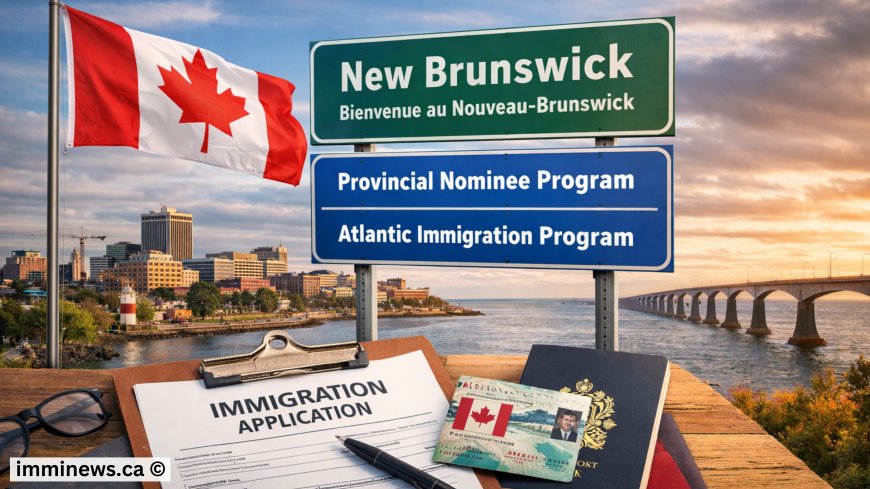
Canada immigration policies continue to evolve as provinces adjust their strategies to meet economic and labour market realities. One of the most impactful updates in 2026 is how New Brunswick overhauls provincial immigration pathways, introducing major changes to the NBPNP and the Atlantic Immigration Program. These reforms affect in-Canada and overseas applicants seeking a Canada visa through IRCC-aligned programs. By narrowing eligible occupations, introducing a candidate pool system, and extending select pilot programs, New Brunswick is redefining who qualifies—and why—under its immigration framework.
Significance of New Brunswick Overhauls Provincial Immigration Pathways
New Brunswick’s immigration reforms represent a shift from volume-based selection to quality-driven, sector-focused immigration. Below are the most significant changes, supported by detailed tables and deeper analysis.
1. Targeted Sector-Based Immigration Strategy
New Brunswick is prioritizing long-term economic stability by narrowing immigration intake to sectors experiencing persistent shortages. The province has explicitly excluded accommodation and food services roles while prioritizing healthcare, education, and construction trades.
Priority vs Restricted Sectors
| Category | Sectors |
| High Priority Sectors | Healthcare, Education, Construction Trades |
| Restricted Sectors | Accommodation & Food Services (NAICS 72) |
| Limited Overseas Recruitment | Healthcare, Education, and Construction only |


Why this matters: This approach improves retention rates and reduces underemployment among newcomers. Unlike short-term service-sector jobs, priority occupations offer stronger wage growth, licensing pathways, and community integration—key objectives under modern Canada immigration planning. Applicants comparing provincial strategies may find Ontario’s approach useful as well. For example, Ontario recently focused on targeted invitations.
2. NBPNP Occupation Restrictions Reshape Eligibility
Under the New Brunswick Provincial Nominee Program (NBPNP), the province has eliminated eligibility for numerous occupations regardless of demand at the employer level.
Restricted Occupations Under NBPNP (Selected Examples)
| Occupation | NOC Code |
| Restaurant & Food Service Managers | 60030 |
| Food Service Supervisors | 62020 |
| Chefs | 62200 |
| Cooks | 63200 |
| Bakers | 63202 |
| Cashiers | 65100 |
| Retail Salespersons | 64100 |
| Fish & Seafood Plant Workers | 94142 |
| Shippers and Receivers | 14400 |
| Retail Sales Supervisors | 62010 |
Important clarification: Applicants in these roles may still submit an Expression of Interest only if their employer is not classified under NAICS 72. However, selection chances are significantly reduced.
Why this is significant: This marks a departure from previous NBPNP models that accepted service-sector workers to fill immediate shortages. New Brunswick is now prioritizing economic contribution over short-term labour supply, aligning its program more closely with federal IRCC objectives. For a full understanding of NBPNP eligibility and structure, applicants should review: New Brunswick Provincial Nominee Program overview.
3. Express Entry Stream Restrictions
Even candidates eligible under IRCC’s federal Express Entry system may now face provincial barriers if their occupation falls within restricted categories.
Express Entry Stream – Additional Restrictions
| Occupation | NOC Code |
| Retail & Wholesale Trade Managers | 60020 |
| Retail & Wholesale Buyers | 62101 |
| Retail Sales Supervisors | 62010 |
| Butchers (Retail & Wholesale) | 63201 |
Impact on applicants: High CRS scores alone no longer guarantee provincial nomination. Candidates must now evaluate occupation eligibility at the provincial level, making tailored immigration planning essential.
4. Atlantic Immigration Program Moves to Candidate Pool System
New Brunswick has transitioned the Atlantic Immigration Program (AIP) from direct employer-driven endorsements to a candidate pool model.
AIP – Old vs New System
| Feature | Previous Model | New Candidate Pool Model |
| Employer Role | Direct endorsement | Submit candidate to pool |
| Province Control | Limited | High |
| Processing Efficiency | Variable | Improved |
| Candidate Competition | Low | Higher |
| Alignment with Economic Needs | Moderate | Strong |
Why this change matters: The candidate pool system allows New Brunswick to rank applicants based on skills, sector relevance, and settlement potential—similar to Express Entry. This improves fairness, reduces backlogs, and strengthens long-term economic outcomes.
5. AIP Occupation Restrictions (Regardless of Sector)
New Brunswick has also introduced firm occupation bans under AIP, even if employers are designated.


AIP Restricted Occupations
| Occupation | NOC Code |
| Retail Salespersons | 64100 |
| Retail Sales Supervisors | 62010 |
| Retail & Wholesale Buyers | 62101 |
| Retail Trade Managers | 60020 |
| Fish & Seafood Plant Workers | 94142 |
| Shippers and Receivers | 14400 |
| Customer Information Service Representatives | 64409 |
| Butchers (Retail & Wholesale) | 63201 |
Key takeaway: Employer demand alone no longer determines eligibility. Provincial economic alignment now takes precedence.
6. Temporary Freeze on New AIP Employer Designations
New Brunswick has paused new employer designation applications under AIP.
Purpose of the Employer Freeze
| Objective | Explanation |
| Program Integrity | Prevent misuse of endorsements |
| Compliance Review | Reassess existing employers |
| Economic Alignment | Ensure roles meet provincial needs |
| Settlement Success | Improve long-term retention |
This reset strengthens trust in the program and protects foreign workers from unstable job offers. Applicants seeking credible immigration guidance should rely on verified platforms such as: A2Zimmi – Canada immigration insights and guidance.
7. Extension of the Private Career College Graduate Pilot
New Brunswick has extended the Private Career College Graduate Pilot until the end of 2026—but only for students already enrolled.
Eligible Institutions & Program Areas
| Institution | Program Fields |
| Oulton College | Healthcare, Education, Social Development |
| Eastern College | Healthcare, Education, Personal Support Services |
Why this is important: This extension protects students who made education decisions based on immigration prospects. However, once the pilot closes, no further nominations will be issued—highlighting the importance of early planning.
New Brunswick’s immigration overhaul is a clear move toward precision-based immigration—prioritizing quality, retention, and economic contribution over volume. For Canada immigration applicants, these changes reinforce the need for occupation-aligned planning, provincial awareness, and expert guidance.
Whether you are a skilled worker, international student, or employer, understanding these updates can significantly affect your Canada visa success. Visit A2Zimmi or schedule a consultation today.
Stay informed, plan strategically, and take the next step toward your Canadian future with confidence.
What's Your Reaction?
 Like
0
Like
0
 Dislike
0
Dislike
0
 Love
0
Love
0
 Funny
0
Funny
0
 Angry
0
Angry
0
 Sad
0
Sad
0
 Wow
0
Wow
0