























































Newfoundland and Labrador Immigration Shock: NLPNP Draw Drops to Just 103 Invitations in 2026
Newfoundland and Labrador issues 103 immigration invitations in latest 2026 NLPNP and AIP draw, showing a decline and tighter Canada immigration selection.
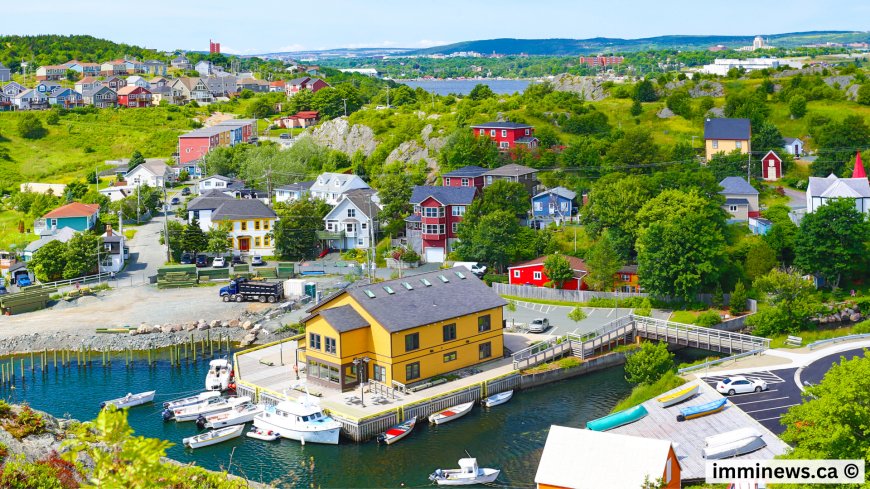
Newfoundland and Labrador has released its latest provincial immigration draw, issuing just 103 invitations to candidates under the Newfoundland and Labrador Provincial Nominee Program (NLPNP) and the Atlantic Immigration Program (AIP). Held on May 28, 2026, this marks the smallest draw of the year so far, reinforcing a clear downward trend in provincial selection volumes.
While the province continues to actively use immigration to address labour shortages and population growth, the sharp reduction in invitations signals a more selective and controlled intake strategy in 2026. For candidates targeting Canada immigration pathways through provincial programs, this shift carries significant implications.
What Has Been Announced
In the most recent draw:
- Total Invitations Issued: 103
- NLPNP: 84 invitations (81.6%)
- AIP: 19 invitations (18.4%)
The majority of invitations continue to be issued under the NLPNP, while the Atlantic Immigration Program accounted for a smaller share.


Notably, the province has not disclosed specific occupations or targeted streams for this draw, leaving candidates with limited visibility into selection priorities.
Key Changes and 2026 Trend Overview
The most important development is not just this single draw, but the broader pattern across 2026.
Between January 1 and May 28, Newfoundland and Labrador has issued a total of 1,379 invitations under both programs. However, the distribution and volume reveal key trends:
- Earlier draws in March exceeded 400 invitations
- Recent draws have steadily declined to just over 100 invitations
- May alone included three draws, but each progressively smaller
- NLPNP remains dominant, accounting for approximately 83.9% of all invitations this year
Comparison with previous draws highlights the decline:
- March 6: 445 invitations
- March 30: 245 invitations
- April 13: 210 invitations
- May 1: 190 invitations
- May 11: 186 invitations
- May 28: 103 invitations
This represents a consistent reduction in intake volume over time.
Why This Change Is Happening
Although the province has not issued a formal explanation for the reduced numbers, several broader immigration and economic factors may be influencing this shift:
- Provincial capacity management and settlement infrastructure limits
- Alignment with federal immigration targets under IRCC planning
- Labour market recalibration, focusing on high-demand occupations
- Housing and service pressure in smaller provinces
- More targeted selection toward long-term retention candidates
Newfoundland and Labrador appears to be moving toward a more strategic immigration model rather than high-volume intake.
Impact Analysis
Students
International graduates in the province may still benefit, but competition is increasing. Strong language scores, local education, and job offers will be more critical than ever for NLPNP eligibility.


Work Permit Holders
Temporary foreign workers already employed in Newfoundland and Labrador remain well-positioned, particularly those in healthcare, trades, and rural occupations. However, selection is becoming more competitive due to lower invitation volumes.
PR Candidates
Candidates outside Canada or without strong provincial ties may face reduced chances unless they secure a validated job offer and meet priority criteria under the Expression of Interest (EOI) system.
Winners and Losers
Likely Beneficiaries
- Healthcare professionals
- Workers in rural or non-urban areas
- Candidates with strong employer-supported applications
- International graduates from local institutions
Those Facing Challenges
- Overseas applicants without job offers
- Low-scoring Express Entry-linked candidates
- Applicants in non-priority occupations
- Candidates relying on high-volume draw expectations
Expert Insight
From a strategic immigration perspective, Newfoundland and Labrador is clearly transitioning toward a “quality-over-quantity” selection model.
Rather than broad intake, the province is prioritizing candidates who demonstrate:
- Strong labour market alignment
- Genuine settlement intent
- Employer-driven demand
- Long-term retention potential
For Canada immigration candidates, this reflects a wider national trend where Provincial Nominee Programs (PNPs) are becoming more selective and employer-dependent.
This shift also signals that passive applications are becoming less effective. Candidates who do not actively secure employment links in the province may find it increasingly difficult to receive invitations.
Strategic Advice for Applicants
To improve chances under NLPNP and AIP:
- Secure a valid job offer from a Newfoundland and Labrador employer
- Target high-demand sectors such as healthcare and skilled trades
- Strengthen language test scores (IELTS/CELPIP)
- Build provincial connections through education or work experience
- Ensure your Expression of Interest (EOI) is updated and accurate
- Reapply proactively before EOI expiry (12-month validity)
Applicants should treat the EOI system as a dynamic profile rather than a one-time submission.
The May 28, 2026 draw from Newfoundland and Labrador confirms a clear shift toward lower, more targeted immigration intake under both NLPNP and the Atlantic Immigration Program. While opportunities still exist, the pathway is becoming increasingly competitive and employer-driven.
For candidates aiming for Canada PR through provincial programs, success will depend less on timing and more on strategic preparation, job alignment, and long-term settlement readiness.
What's Your Reaction?
 Like
0
Like
0
 Dislike
0
Dislike
0
 Love
0
Love
0
 Funny
0
Funny
0
 Angry
0
Angry
0
 Sad
0
Sad
0
 Wow
0
Wow
0