























































Bill C-3: How Americans Can Now Claim Canadian Citizenship Through Ancestry
Bill C-3 expands Canadian citizenship by descent to unlimited generations, letting Americans with Canadian ancestry secure dual citizenship and mobility.
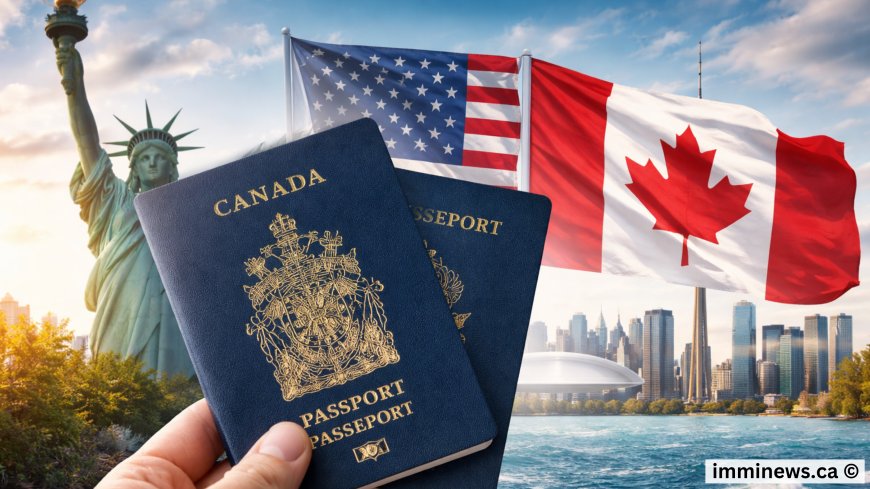
While headlines have focused on political posturing between the U.S. and Canada, a quieter yet unprecedented movement is reshaping North American mobility. Since the implementation of Bill C-3 in December 2025, which expanded Canadian citizenship by descent to unlimited generations, thousands of Americans are discovering they are already eligible for Canadian citizenship. Rather than fleeing in panic, many are strategically securing a Canadian passport — a hedge, a heritage claim, and a forward-looking opportunity.
What Has Been Announced
Bill C-3 allows any individual who can trace an unbroken lineage to a Canadian ancestor to apply for citizenship. This policy removed generational limits, opening eligibility for millions of potential applicants across the U.S. Processing queues are now at record levels, with wait times for citizenship certificates stretching up to 10 months.
Key Changes Explained
Temporary Residents: While this law primarily impacts permanent citizenship, temporary residents can now apply for verification of ancestry before traveling.


Permanent Residents & Citizenship: Individuals who never previously qualified through parental descent now have a direct pathway to Canadian citizenship, increasing demand for ancestry verification and vital records.
Eligibility Expansion: Archives in provinces like Quebec, New Brunswick, Ontario, and British Columbia report multi-thousand percent increases in document requests, indicating a surge in citizenship applications across demographics.
Why This Change Is Happening
Canada’s government aimed to strengthen ties with the global diaspora while simplifying the citizenship process. Beyond heritage preservation, the policy coincides with heightened U.S.-Canada tensions — including trade conflicts and political rhetoric — that have amplified interest among Americans seeking alternative options for work, residence, and mobility.
Impact Analysis
Students: Those pursuing study permits in Canada now see potential dual citizenship benefits, easing travel and post-graduation work options.
Work Permit Applicants: Americans with Canadian ancestry can bypass some visa hurdles entirely, providing immediate labor mobility across provinces.
Permanent Residency Candidates: Access to citizenship by descent reduces reliance on Express Entry or provincial nomination streams for eligible applicants.
Winners and Losers:
- Winners: Americans with Canadian ancestry, skilled professionals, retirees, and families seeking security or dual citizenship.
- Challenges: Canadian immigration offices face administrative backlogs; U.S. political uncertainty drives demand rather than policy need.
Expert Insight
As a licensed immigration consultant, I observe this as a strategic pivot, not just a legal adjustment. Americans leveraging ancestry-based citizenship are positioning themselves to maintain international mobility in a volatile political climate. It reflects a sophisticated understanding of immigration policy as both a protective measure and an investment in global flexibility.
Strategic Advice for Applicants


- Verify Ancestry: Confirm lineage through birth, marriage, and death certificates.
- Apply Early: Processing queues are long; early submissions reduce delays.
- Document Strategically: Maintain organized records to expedite approvals.
- Consider Dual Citizenship Benefits: Explore work, travel, and tax implications.
- Monitor Policy Updates: Future adjustments to Bill C-3 may affect eligibility criteria.
- Seek Professional Guidance: Experienced RCIC consultants can streamline complex applications.
Canada’s citizenship by descent policy is transforming cross-border migration patterns. Amid political tensions, Americans are quietly asserting their heritage, securing mobility, and embracing new opportunities. For eligible individuals, the message is clear: your Canadian connection is more than ancestry — it’s a passport to strategic options.
What's Your Reaction?
 Like
0
Like
0
 Dislike
0
Dislike
0
 Love
0
Love
0
 Funny
0
Funny
0
 Angry
0
Angry
0
 Sad
0
Sad
0
 Wow
0
Wow
0