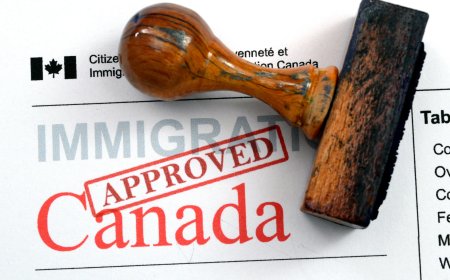
Canada immigration applicants received encouraging updates with the release of IRCC’s December processing times, which reveal reduced wait periods for several major application categories. Notable improvements were observed in study permits, work permits, and the Parents and Grandparents Program (PGP), offering relief to thousands of applicants waiting for decisions. These updates are especially important at a time when global demand for a Canada visa remains high and applicants are increasingly concerned about long backlogs and uncertainty.
Immigration, Refugees and Citizenship Canada (IRCC) publishes processing times regularly to reflect how long it is currently taking to finalize applications. The December update demonstrates progress in backlog management while also highlighting areas that still require attention. This article explores the significance of these changes, explains what they mean for Canada immigration applicants, and outlines how individuals can strategically plan their applications moving forward.
Significance of IRCC’s December Processing Times
IRCC’s updated timelines are more than administrative statistics. They provide insight into government priorities, operational efficiency, and future immigration trends. Understanding these changes helps applicants make informed decisions and manage expectations.
Improved Processing Times for Study Permit Applications
One of the most significant developments in the December update is the improvement in study permit processing times. International students are a key pillar of Canada immigration, contributing not only to the education sector but also to long-term workforce development. Faster study permit decisions allow students to prepare adequately for upcoming academic intakes without the uncertainty of delayed approvals.
For many applicants, reduced wait times mean fewer deferrals, less financial strain, and greater confidence in choosing Canada over competing destinations such as Australia, the United Kingdom, or the United States. These improvements also strengthen Canada’s global reputation as a welcoming and efficient destination for international education.
Moreover, international students often transition to post-graduation work permits and permanent residence. Faster initial processing creates a smoother pathway through the immigration system, benefiting both applicants and the Canadian economy. Applicants interested in provincial education-to-immigration pathways may also benefit from staying informed about nomination programs, such as recent Ontario draws discussed in this detailed Ontario immigration update.
Positive Developments for the Parents and Grandparents Program (PGP)
The December processing times also bring positive momentum for family reunification, particularly through the Parents and Grandparents Program. PGP has historically faced long processing delays due to limited intake quotas and high demand. Any reduction in processing times is therefore highly significant for Canadian citizens and permanent residents seeking to reunite with their families.
Faster PGP processing reduces emotional stress and uncertainty for families who have often waited years to bring parents or grandparents to Canada permanently. It also lessens dependence on temporary solutions such as super visas, which may not offer the same stability or long-term security.
Family reunification is a cornerstone of Canada immigration policy. Improvements in this category signal IRCC’s renewed commitment to balancing economic immigration with humanitarian and family-focused objectives.
Stability in Express Entry Processing Times
While some categories improved, others remained stable, particularly Express Entry programs. The Canadian Experience Class (CEC) continues to show a processing time of approximately seven months, while the Federal Skilled Worker Program (FSWP) remains at six months, aligning with IRCC’s official service standard.
This stability is significant for skilled workers planning their immigration journey. Predictable processing times allow applicants to coordinate job transitions, resignations, and relocation plans with greater certainty. Employers also benefit from reliable timelines when recruiting international talent.
According to IRCC data, there are currently approximately 21,700 applicants awaiting decisions under CEC and 27,600 under FSWP. Despite these volumes, IRCC’s ability to maintain consistent processing times demonstrates operational resilience. Applicants seeking detailed information about eligibility requirements and ranking criteria can refer to this comprehensive Express Entry overview from a high-authority source.
Ongoing Challenges in Dependent Child Sponsorship Applications
Despite positive developments in other categories, dependent child sponsorship applications experienced the largest increase in processing times, with delays rising by approximately four months. This trend is particularly concerning, as it directly affects children and family unity.
Extended separation can disrupt education, emotional well-being, and overall family stability. The increase suggests that dependent child sponsorship remains an area where IRCC faces resource or prioritization challenges. Applicants in this category should ensure their submissions are complete, accurate, and well-documented to avoid further delays.
This disparity between categories underscores the importance of understanding how IRCC allocates resources and why some applications move faster than others.
Provincial Nominee Program Processing Trends
Processing times under the Provincial Nominee Program (PNP) remain unchanged from November. Applications submitted through Express Entry-aligned (enhanced) streams continue to average six months, while base (non-Express Entry) applications remain at 16 months.
The backlog data explains much of this disparity. Approximately 10,200 enhanced PNP applications are currently in the queue, compared to nearly 98,500 base PNP applications. The significant volume of base applications contributes to extended wait times despite strong demand from provinces.
For applicants, this highlights the advantage of pursuing Express Entry-aligned provincial pathways where possible. Staying informed about provincial nomination trends and invitation rounds can significantly impact overall processing timelines.
Quebec Immigration Processing Times Remain Steady
Applicants intending to settle in Quebec through the Skilled Worker Selection Program (PSTQ) continue to face processing times of approximately 11 months. While this timeline has not worsened, it remains longer than many federal economic immigration streams.
Quebec’s distinct immigration system and selection criteria often result in different processing dynamics. As of December, approximately 27,200 PSTQ applications are awaiting processing, slightly higher than in November.
Applicants targeting Quebec should plan accordingly and consider how these timelines align with their professional and personal goals.
IRCC Processing Times Comparison Table
Below is a clear comparison of current processing times versus November figures, based on IRCC’s December update.
Express Entry Programs
| Application Type |
Current Processing Time |
Processing Time (Nov 14, 2025) |
| Canadian Experience Class (CEC) |
7 months |
7 months |
| Federal Skilled Worker Program (FSWP) |
6 months |
6 months |
| Federal Skilled Trades Program (FSTP) |
Not available |
Not available |
Provincial Nominee Program (PNP)
| Application Stream |
Current Processing Time |
Processing Time (Nov 14, 2025) |
| Express Entry (Enhanced) |
6 months |
6 months |
| Non-Express Entry (Base) |
16 months |
16 months |
Quebec Immigration
| Program |
Current Processing Time |
Processing Time (Nov 14, 2025) |
| Skilled Worker Selection Program (PSTQ) |
11 months |
11 months |
Atlantic Immigration Program (AIP) Processing Times
Applicants under the Atlantic Immigration Program continue to face some of the longest processing delays within Canada immigration pathways. As of the December update, AIP processing times remain unchanged from November, exceeding three years despite a significantly shorter official service standard.
This prolonged delay reflects persistent backlogs and limited processing capacity in the program, which is designed to support labour market needs in Atlantic provinces.
Atlantic Immigration Program Processing Time Comparison
| Category |
Current Processing Time |
Processing Time as of November 14, 2025 |
| Atlantic Immigration Program (AIP) |
37 months |
37 months |
There are currently approximately 13,400 applicants waiting for a final decision under the Atlantic Immigration Program.
Service standard: 11 months.
The gap between the service standard and actual processing time highlights the importance of realistic expectations and long-term planning for applicants pursuing AIP.
Family Sponsorship Processing Times
Family sponsorship processing times either improved or remained stable in December, with the Parents and Grandparents Program (PGP) showing the most notable decrease. These changes are particularly significant given the emotional and social importance of family reunification under Canada immigration policy.
Spouse or Common-Law Partner Sponsorship
Processing times vary depending on whether the sponsored partner lives inside or outside Canada, and whether they intend to reside in Quebec.
| Application Type |
Current Processing Time |
Processing Time as of November 14, 2025 |
| Spouse or common-law partner living inside Canada (outside Quebec) |
20 months |
20 months |
| Spouse or common-law partner living inside Canada (Quebec) |
36 months |
37 months |
| Spouse or common-law partner living outside Canada (outside Quebec) |
14 months |
14 months |
| Spouse or common-law partner living outside Canada (Quebec) |
36 months |
37 months |
Parents and Grandparents Program (PGP)
The Parents and Grandparents Program continues to show gradual improvement, although processing times remain lengthy.
| Application Type |
Current Processing Time |
Processing Time as of November 14, 2025 |
| PGP (outside Quebec) |
40 months |
42 months |
| PGP (Quebec) |
49 months |
50 months |
Number of Applicants Awaiting a Decision
The volume of applications in the family sponsorship backlog remains high.
-
Partner living in Canada, intending to reside outside Quebec: 50,600
-
Partner living in Canada, intending to reside in Quebec: 12,000
-
Partner living outside Canada, intending to reside outside Quebec: 45,700
-
Partner living outside Canada, intending to reside in Quebec: 19,400
-
Parents and Grandparents Program, intending to reside outside Quebec: 51,600
-
Parents and Grandparents Program, intending to reside in Quebec: 12,600
Service standard: For sponsorship of a spouse or common-law partner living outside Quebec, the service standard is 12 months. IRCC does not publish service standards for other family sponsorship categories.
Dependent Child Sponsorship Processing Times
Applications Submitted from Within Canada
Dependent child sponsorship applications submitted from within Canada experienced a four-month increase in processing time compared to November. This increase represents one of the most significant negative shifts in the December update.
| Application Type |
Current Processing Time |
Processing Time as of November 14, 2025 |
| Dependent child sponsorship (within Canada) |
Increased by 4 months |
Lower by comparison |
IRCC does not publish a formal service standard for dependent child sponsorship applications submitted from within Canada.
Applications Submitted from Outside Canada
For applications submitted from outside Canada, processing times vary significantly by country. The most notable increase occurred in applications submitted from India.
| Applying From |
Current Processing Time |
Processing Time as of November 14, 2025 |
| India |
12 months |
8 months |
| Nigeria |
20 months |
20 months |
Processing data for Pakistan and the United States is not available for comparison in this update.
Service standard: 12 months.
The increase in processing times for certain countries highlights regional workload differences and the importance of country-specific planning when submitting applications.
What These Changes Mean for Canada Immigration Applicants
The December processing times reveal a strategic shift in IRCC’s operational focus. Temporary residence applications, particularly study permits, are moving faster, reflecting Canada’s economic and educational priorities. Family reunification through PGP is also showing signs of progress, while skilled worker programs maintain reliability and predictability.
However, uneven improvements across categories reinforce the importance of selecting the right immigration pathway. Applicants should carefully evaluate processing trends, backlog volumes, and eligibility criteria before submitting applications.
Staying updated with reliable immigration news and expert insights can help applicants avoid costly mistakes and unnecessary delays.
IRCC’s December processing times bring a balanced mix of optimism and realism for Canada immigration applicants. Faster processing for study permits and PGP applications offers relief to many, while stable Express Entry timelines provide confidence for skilled workers. At the same time, increased delays in dependent child sponsorship and base PNP applications highlight ongoing challenges within the system.
If you are planning to apply for a Canada visa or are already in the process, professional guidance can significantly improve your chances of success. Visit A2Zimmi for trusted immigration insights, or schedule a consultation with A2Zimmi experts to receive personalized advice tailored to your goals.
Taking informed action today can make your Canada immigration journey smoother, faster, and more successful.


























































 Like
0
Like
0
 Dislike
0
Dislike
0
 Love
0
Love
0
 Funny
0
Funny
0
 Angry
0
Angry
0
 Sad
0
Sad
0
 Wow
0
Wow
0