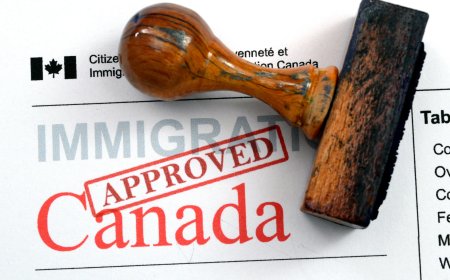























































Canada’s 2026 Visa Plan Welcomes All – From Skilled to Unskilled
Canada’s 2026 Express Entry overhaul opens new immigration pathways for skilled, semi-skilled, and unskilled Indian workers. See how to qualify for a Canada visa.

Introduction
For many Indians, the dream of Canada immigration just got closer to reality. Ottawa’s planned 2026 Express Entry overhaul is set to open targeted pathways for skilled, semi-skilled, and even select unskilled workers. By redesigning its selection categories, Immigration, Refugees and Citizenship Canada (IRCC) aims to attract global talent while filling critical labour shortages across the country.
The biggest change? A Leadership and Innovation category that will directly benefit senior managers, scientists, and researchers — including Indian professionals with proven expertise. With more category-based draws and targeted streams, the next phase of Express Entry could be the most inclusive yet.
Significance of Canada’s 2026 Express Entry Overhaul
The proposed 2026 changes go far beyond a policy update — they reflect Canada’s evolving immigration vision. Here’s why these reforms matter for Indians aiming to work and settle in Canada.
1. Targeted Opportunities for Skilled, Semi-Skilled, and Unskilled Workers
Unlike previous systems that mainly favoured high-scoring skilled worker profiles, the 2026 overhaul could broaden access for a wider range of applicants. This includes:
-
Skilled workers in healthcare, STEM, trades, and education.

-
Semi-skilled workers in construction, manufacturing, and agriculture.
-
Select unskilled roles tied to acute labour shortages.


For Indians in high-demand fields, this means more targeted invitations through category-based draws. The federal skilled worker criteria, as outlined in the Government of Canada’s official guide, will remain a key reference point — but with more occupation-specific streams, there’s greater room for diversity in selection.
2. Leadership and Innovation Category: A Game Changer for Indian Professionals
The Leadership and Innovation stream could be the golden ticket for Indians in top-tier roles. Senior managers, scientists, and researchers will be prioritized for their ability to boost Canada’s economic competitiveness.
This move is particularly significant for:
-
Experienced Indian executives managing large teams or organizations.
-
Researchers and academics driving innovation in STEM and applied sciences.
-
Professionals with global leadership experience seeking new opportunities abroad.
As detailed in the IRCC Express Entry category updates, these targeted draws will allow qualified candidates to bypass the high CRS score thresholds often seen in general rounds.
3. Stronger Pathways for Trades and Labour-Intensive Sectors
Canada’s housing and infrastructure needs have created significant shortages in construction and trades. The new Express Entry categories are expected to maintain — and possibly expand — opportunities in these sectors.
For Indian tradespeople with certification and relevant work experience, this could mean:
-
More frequent invitations.
-
Lower CRS cut-offs compared to general draws.
-
Faster processing due to targeted occupation needs.


The same applies to agriculture, manufacturing, and transportation — areas where Canada consistently seeks foreign workers to fill gaps.
4. Enhanced Support for Francophone Immigration
French-speaking Indians could see an additional advantage under the 2026 plan. Canada’s immigration levels plan aims to raise the percentage of Francophone permanent residents outside Quebec from 8.5% in 2025 to 10% in 2027.
If you are bilingual in English and French, you could qualify for both the language-proficiency category and your occupational category — significantly increasing your chances of receiving an ITA (Invitation to Apply).
5. Better Alignment Between PGWP and Labour Market Needs
For Indian students in Canada, the Post-Graduation Work Permit (PGWP) is often the first step toward permanent residency. With the new categories influencing which fields of study remain PGWP-eligible, future Indian graduates should choose programs aligned with Canada’s labour shortage list.
PGWP-eligible programs are already being narrowed to match market needs — a trend that will likely continue after the 2026 category updates. This means studying in in-demand areas like healthcare, STEM, or trades could directly improve your PR prospects.
For a complete breakdown of pathways for skilled worker immigration, refer to CanadaVisa’s skilled worker guide.
Canada’s 2026 Express Entry overhaul represents a historic opportunity for Indian workers across the skill spectrum. From senior executives to skilled tradespeople and select unskilled roles, the upcoming changes could make Canadian permanent residency more attainable than ever before.
By targeting leadership roles, critical sectors, and linguistic diversity, Ottawa is positioning itself to meet labour demands while welcoming talent that will drive long-term growth. For Indians, this means more direct pathways, lower competition in some draws, and faster selection times.
If you want to position yourself for success in 2026:
-
Stay informed about category updates.
-
Build your language skills — English and French.
-
Align your work experience or education with Canada’s priority sectors.
Start your preparation early and don’t wait until the changes take effect. Visit A2Zimmi’s homepage or book a consultation today for personalized guidance on maximizing your eligibility under the new system.
Your Canadian dream could be closer than you think — the time to prepare is now.
What's Your Reaction?
 Like
0
Like
0
 Dislike
0
Dislike
0
 Love
0
Love
0
 Funny
0
Funny
0
 Angry
0
Angry
0
 Sad
0
Sad
0
 Wow
0
Wow
0