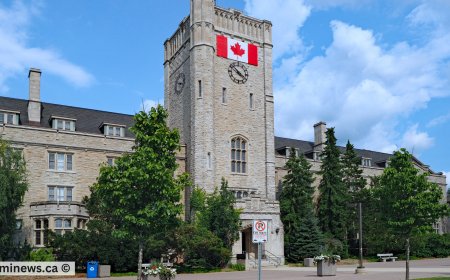
The Yukon announces its 2026 nomination allocation, priorities, and intake periods at a defining moment for Canada Immigration. With labour shortages intensifying, regional populations shifting, and federal immigration targets evolving, the Yukon Nominee Program (YNP) has become a critical pathway for skilled workers seeking a Canada Visa and permanent residency. The territory’s allocation of 282 nominations for 2026, along with clearly defined priorities and structured intake windows, reflects both local economic realities and national immigration strategy under IRCC. This announcement is not merely procedural—it signals how Yukon intends to attract talent, strengthen communities, and position itself within Canada’s broader immigration framework. As one of the first jurisdictions to release its 2026 allocation after British Columbia and Saskatchewan, Yukon is setting an important precedent for how smaller territories can strategically leverage immigration to drive economic and demographic growth.
A Strategic Alignment with Yukon’s Labour Market Needs
One of the most significant aspects of Yukon’s 2026 nomination allocation is its targeted approach to addressing critical labour shortages. Unlike many immigration programs that prioritize urban centres, the YNP has explicitly focused on sectors and regions where workers are most needed. This includes regulated healthcare professionals, who play a vital role in maintaining access to medical services in remote and rural communities. By prioritizing this group, Yukon is taking a proactive stance in safeguarding its healthcare infrastructure while also making itself more attractive to internationally trained professionals.
Equally important is Yukon’s preference for candidates who have already lived and worked in the territory for at least one year. This signals a strategic shift from simply attracting new immigrants to retaining those who have already demonstrated commitment to the region. Candidates with established ties are more likely to integrate successfully, contribute economically, and remain long-term residents. From a Canadian immigration perspective, this approach aligns with best practices that emphasize retention and community integration rather than temporary migration.
The emphasis on rural employers further underscores Yukon’s commitment to balanced regional development. Many immigration programs tend to concentrate opportunities in major cities, but Yukon’s strategy deliberately supports smaller communities. By prioritizing employers outside of Whitehorse, the territory is helping to sustain key industries, including mining, tourism, construction, and resource management. This is particularly significant given Canada’s broader efforts under IRCC to encourage settlement beyond major metropolitan areas.
For readers looking to explore how provincial nominee programs work within the wider immigration system, more insights can be found in this related resource: Canada immigration alert: 2 million work permits expiring and what it means for newcomers.
Integration with Canada’s National Immigration Strategy
Yukon’s 2026 nomination allocation must be understood within the context of Canada’s evolving national immigration framework. In November 2025, the federal government increased its Permanent Residency target for Provincial Nominee Programs from 55,000 in 2025 to 91,500 in 2026. This shift places greater responsibility on provinces and territories—including Yukon—to play a leading role in selecting economic immigrants through nominee streams rather than relying solely on federal programs.
The fact that Yukon’s 2026 allocation of 282 nominations matches its post-August 2025 increase demonstrates continuity and stability in its immigration planning. While this number remains lower than its 430 nominations in 2024, it still reflects a strengthened role for the territory within the national system. This consistency is crucial for employers, international workers, and immigration professionals who depend on predictable nomination opportunities when planning recruitment or application strategies.
Moreover, Yukon’s potential to request additional nominations—just as it did in 2025 when its allocation rose from 215 to 282—highlights the flexible nature of Canada’s immigration system. If economic demand increases or application volumes exceed expectations, Yukon has the ability to advocate for more nominations. This adaptability is a key feature of modern Canada Visa pathways and reflects a responsive approach to labour market needs.
For comparative insights into how other provinces are adapting their nominee programs, readers can explore this high-authority analysis: Saskatchewan PNP announces nomination allocation and sweeping changes for 2026.
A More Structured and Merit-Based Selection System
The introduction of clearly defined intake periods and a points-based Expression of Interest (EOI) system marks another significant evolution in Yukon’s immigration approach. In 2026, employers will have two opportunities to submit EOIs: January 19–30 and July 6–17. This structured timeline helps manage application flow while ensuring that employers have adequate time to prepare strong submissions.
By awarding points to EOIs that align closely with Yukon’s stated priorities, the territory is moving toward a more transparent and merit-based selection process. Employers who submitted EOIs in 2025 but were not invited to apply will also receive additional points in 2026, rewarding persistence and long-term engagement with the program. This creates a fairer system that recognizes genuine efforts to recruit foreign workers rather than privileging last-minute applications.
A particularly noteworthy policy change is the exemption for individuals who received a Temporary Measure Letter of Support in 2024 or 2025. Instead of requiring these candidates to submit a new EOI, Yukon will contact them directly with the next steps. This streamlined approach reduces administrative burden, accelerates processing, and demonstrates a commitment to supporting candidates who have already been identified as valuable contributors.
From an IRCC perspective, such innovations align with broader efforts to modernize immigration processing, reduce backlogs, and improve applicant experience. Yukon’s system could serve as a model for other provinces seeking to balance efficiency, fairness, and strategic selection.
Strengthening Francophone and Post-Secondary Pathways
Yukon’s explicit prioritization of Francophone candidates carries broader cultural and policy significance. Canada has long sought to increase Francophone immigration outside Quebec, and Yukon’s inclusion of French-speaking applicants supports this national objective. By welcoming Francophone professionals, the territory contributes to linguistic diversity, cultural enrichment, and the development of bilingual communities in northern Canada.
Equally important is Yukon’s focus on graduates of Yukon University. This priority strengthens local education-to-immigration pathways, encouraging international students to see the territory as a viable long-term destination. Students who complete their studies in Yukon are more likely to understand local job markets, workplace culture, and community life. Retaining these graduates through nomination enhances both the territory’s talent pool and the return on investment for educational institutions.
This approach mirrors trends seen across Canada, where international graduates are increasingly viewed as ideal immigration candidates due to their Canadian credentials, work experience, and established professional networks. For students considering their future in Canada, Yukon’s policy sends a clear message that studying in the territory can lead to permanent residency through a Canada Visa pathway.
Economic and Practical Implications for Employers
For Yukon employers, the 2026 nomination allocation represents both opportunity and responsibility. Because the YNP is employer-driven, businesses play a central role in identifying, sponsoring, and supporting foreign workers. This requires careful workforce planning, compliance with immigration regulations, and long-term commitment to employee retention.
Rural employers stand to benefit the most from Yukon’s targeted priorities. Many businesses outside of Whitehorse struggle to attract skilled workers, making the YNP a crucial tool for sustaining operations. By facilitating permanent residency for essential employees, the program helps stabilize industries that are vital to Yukon’s economy, including healthcare, construction, hospitality, and natural resource development.
At the same time, employers must ensure that their EOI submissions clearly demonstrate alignment with Yukon’s priorities. Those who fail to do so risk missing out on invitations to apply. Seeking professional guidance can significantly improve an employer’s chances of success within the program.
For businesses and individuals navigating these complex processes, expert advice can make a substantial difference. More information on how to proceed can be found through A2Zimmi’s immigration consultation services.
Yukon’s 2026 nomination allocation, priorities, and intake periods mark a significant step forward in regional immigration strategy within the broader Canada Immigration system. By prioritizing healthcare professionals, rural employers, Francophone candidates, Yukon University graduates, and those with established ties to the territory, Yukon is promoting sustainable, community-focused growth rather than simply increasing numbers. Its alignment with rising federal PNP targets under IRCC, combined with a more structured and transparent EOI process, reflects a mature and forward-thinking approach to immigration planning.
For prospective applicants, international workers, and employers alike, understanding these changes is essential for making informed decisions about pathways to a Canada Visa and permanent residency. Whether you are seeking nomination through the YNP, exploring other provincial programs, or planning your immigration journey, professional guidance can help you navigate the complexities of the system with confidence.
To take the next step, visit A2Zimmi to book personalized advice tailored to your situation. Explore related blogs, share your thoughts, or schedule a consultation today—your future in Canada could begin sooner than you think.





























































 Like
0
Like
0
 Dislike
0
Dislike
0
 Love
0
Love
0
 Funny
0
Funny
0
 Angry
0
Angry
0
 Sad
0
Sad
0
 Wow
0
Wow
0